Industrial Robotics Applications Sensor Limit Switch Technology Widely Used
Industrial robotics relies heavily on sensor limit switch technology to ensure accurate motion control, safety, and precision in automated systems. These components play a vital role in detecting mechanical movement boundaries, helping robots operate smoothly and efficiently. Their widespread use supports high-performance industrial processes with improved reliability and consistency.
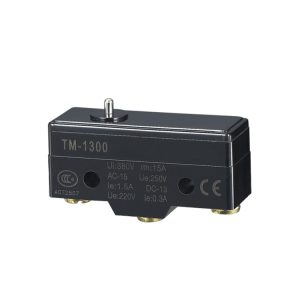
Role of Limit Switch Technology in Robotics
Limit switch technology is a fundamental part of robotic systems that require precise positioning and movement control. It ensures that robotic arms and machines operate within safe and defined limits.
- Detects end positions of mechanical movement
- Prevents over-travel and mechanical damage
- Enhances precision in robotic positioning tasks
- Improves safety in automated environments
- Supports repeatable and consistent motion control
- Enables smooth coordination between robotic components
Industrial Robotics Applications
Sensor limit switches are widely used across different industrial robotics applications. Their adaptability makes them suitable for multiple operational environments requiring accuracy and stability.
- Assembly line automation for consistent part handling
- Material handling systems for safe load positioning
- Packaging robotics for accurate product placement
- Welding automation for controlled movement boundaries
- CNC machine integration for position verification
- Sorting systems for precise object detection
Advantages of Sensor Limit Switch Technology
The use of limit switch sensors in robotics offers several performance benefits that enhance overall system efficiency and durability. Training labs demonstrate limit switch sensor usage to help learners understand motion control and safety detection systems clearly.
- High reliability in repetitive operations
- Strong resistance to industrial environmental conditions
- Accurate detection of mechanical endpoints
- Reduced risk of system failure or misalignment
- Low maintenance requirements for long-term use
- Enhanced operational safety in automated processes
Key Features Supporting Performance
Sensor limit switches are designed with features that ensure consistent and dependable functionality in industrial robotics systems.
- Mechanical robustness for heavy-duty applications
- Quick response to motion contact detection
- Compact design suitable for tight installations
- High durability under continuous operation
- Stable performance in vibration-heavy environments
- Compatibility with multiple robotic configurations
Benefits in Automated Systems
Integration of limit switch technology significantly improves the efficiency and accuracy of automated robotic systems. It helps maintain controlled movement and enhances productivity.
- Ensures precise stopping points in robotic motion
- Minimizes downtime caused by mechanical errors
- Improves workflow efficiency in production lines
- Enhances repeatability in robotic tasks
- Supports seamless automation integration
- Strengthens system reliability and output quality
Importance in Modern Industrial Operations
Sensor limit switch technology is essential in modern industrial robotics due to its ability to maintain control and accuracy. It ensures machines perform tasks with consistency and safety.
- Maintains operational stability in complex systems
- Supports high-speed automated processes
- Reduces human intervention in critical operations
- Improves quality control in manufacturing systems
- Enhances productivity across industrial setups
- Enables smarter and safer automation environments
Conclusion
Sensor limit switch technology plays a crucial role in industrial robotics applications by ensuring accurate movement control, operational safety, and system reliability. Its wide usage across industries highlights its importance in modern automation, where precision and efficiency are key to achieving high-performance results.