Effective Troubleshooting Methods for Consistent Valve Functionality
Maintaining consistent valve functionality is essential for supporting smooth fluid movement, dependable equipment operation, and organized industrial processes. Regular observation and timely troubleshooting help identify performance variations while keeping systems responsive to everyday operating requirements. Understanding common valve behaviors and applying practical inspection methods can make maintenance activities more manageable. Learning about https://www.vincervalve.com/solenoid-valve-failure-symptoms/ also provides useful insights into recognizing operational changes and maintaining reliable valve performance through appropriate care.
Recognizing Common Valve Performance Changes
Early identification of unusual operating conditions helps maintenance teams take suitable action before minor variations affect regular workflows. A simple inspection routine can reveal several important indicators.
- Irregular flow: Changes in fluid movement may indicate a need to inspect internal valve components.
- Delayed response: Slow opening or closing can highlight actuator or control-related adjustments.
- Unusual sounds: Clicking or humming variations may provide useful clues about operating conditions.
- External leakage: Checking connections and sealing areas helps maintain proper fluid containment.
- Pressure fluctuations: Monitoring pressure levels supports a clearer understanding of valve performance.
- Inconsistent switching: Repeated operational checks can help identify changes in electrical or mechanical response.
Applying Practical Troubleshooting Techniques
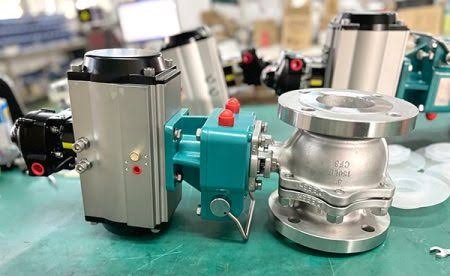
A structured troubleshooting process makes inspections easier and supports accurate maintenance decisions. Each check should follow appropriate safety procedures and the equipment manufacturer’s recommendations.
Useful troubleshooting methods include:
- Inspect electrical connections: Check wiring, terminals, and power supply conditions for secure connections.
- Examine valve components: Look for visible wear, deposits, or material buildup around accessible parts.
- Check fluid quality: Confirm that the fluid meets the system’s cleanliness and compatibility requirements.
- Review operating pressure: Compare pressure readings with the valve’s specified operating range.
- Test actuator movement: Verify that the actuator responds correctly to suitable control signals.
- Evaluate sealing elements: Inspect compatible seals and gaskets for proper positioning and condition.
- Confirm installation alignment: Ensure that connections and mounting arrangements remain properly secured.
Maintaining Consistent Functionality Through Preventive Care
Troubleshooting becomes more effective when combined with regular preventive maintenance. Planned inspections help keep components in suitable condition and encourage dependable operation throughout repeated operating cycles.
Consider including these activities in a maintenance schedule:
- Clean accessible components using approved procedures.
- Check fasteners and connections for proper tightness.
- Monitor operating temperature and pressure regularly.
- Replace worn seals with compatible components.
- Verify control signals and switching performance.
- Record inspection findings for future reference.
- Follow recommended servicing intervals consistently.
Supporting Long-Term Valve Reliability
Effective troubleshooting depends on accurate observation, suitable maintenance practices, and a clear understanding of system requirements. Keeping inspection records also helps maintenance teams recognize recurring patterns and make informed adjustments. Selecting appropriate replacement components and maintaining correct operating conditions further supports dependable functionality.
With consistent attention to component condition and operating performance, valve systems can deliver smoother fluid control and reliable daily operation. Exploring https://www.vincervalve.com/de/ can offer additional reference material when reviewing valve-related information and practical maintenance considerations. A proactive approach to troubleshooting ultimately encourages efficient workflows, better equipment coordination, and lasting operational consistency.