Uncategorized

Improve Energy Efficiency through Advanced Commercial Roofing System Installations

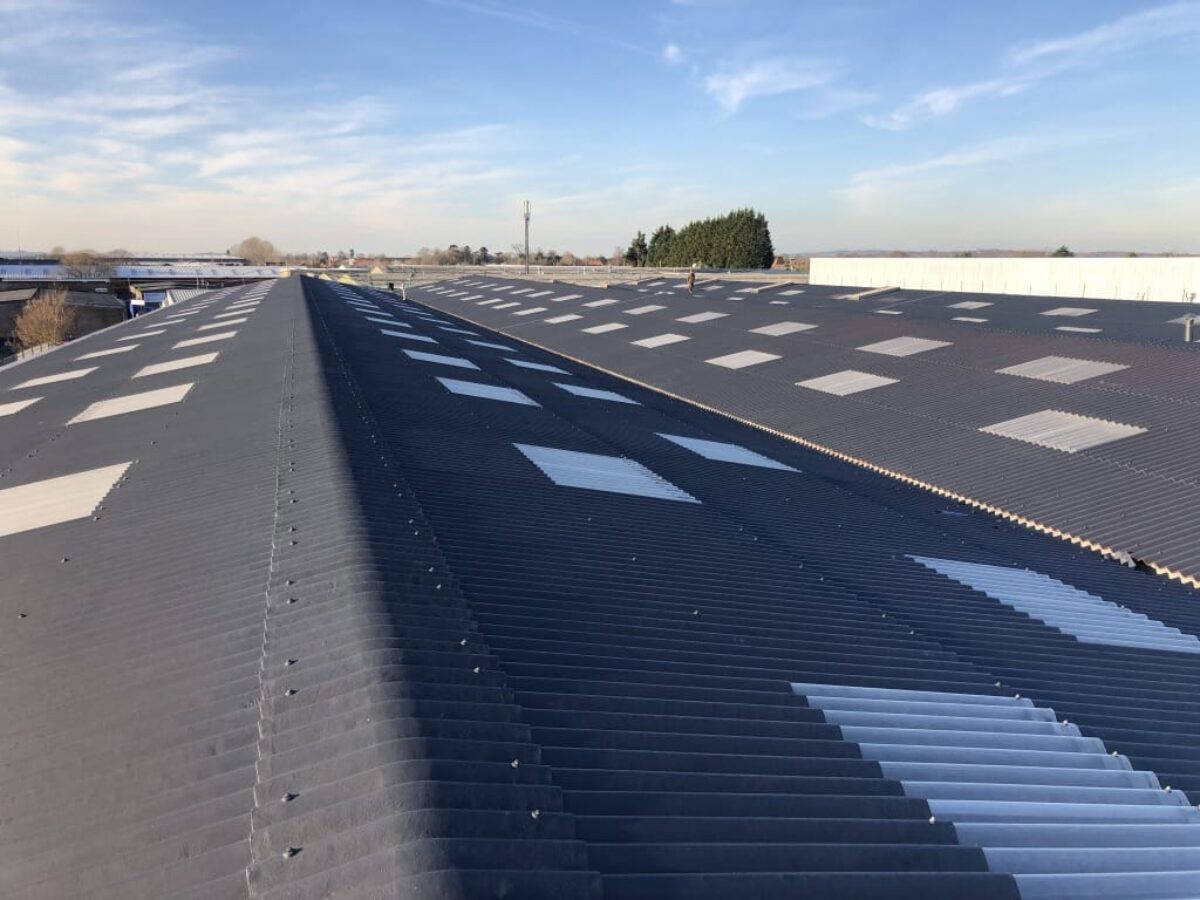
Energy efficiency plays a vital role in maintaining a comfortable and productive commercial property while reducing operating expenses. Investing in modern roofing solutions creates long-term value by enhancing durability, minimizing maintenance needs, and supporting sustainable building performance. Property owners looking to learn more about commercial roofing in san antonio can discover how professional roofing upgrades contribute to greater energy savings and dependable protection.

Choose High-Performance Roofing Materials

Modern roofing materials are designed to improve thermal performance and reduce unnecessary heat transfer. Selecting quality materials helps maintain consistent indoor temperatures while supporting the long-term efficiency of the entire building.

  • Reflective surfaces reduce heat absorption during warm weather.
  • Durable insulation minimizes energy loss throughout the year.
  • Long-lasting materials require fewer repairs and replacements.
  • Weather-resistant systems improve structural reliability.
  • Efficient roofing components support lower utility expenses.
  • Improved material performance extends the roof’s service life.

Enhance Building Insulation

Roofing Services

Proper insulation works together with the roofing system to improve indoor comfort and reduce strain on heating and cooling equipment. Well-installed insulation creates a stable environment regardless of changing outdoor conditions.

  • Maintains balanced indoor temperatures.
  • Reduces unnecessary heating and cooling cycles.
  • Helps lower monthly energy consumption.
  • Minimizes unwanted air leakage.
  • Supports long-term building efficiency.

Improve Roof Ventilation Performance

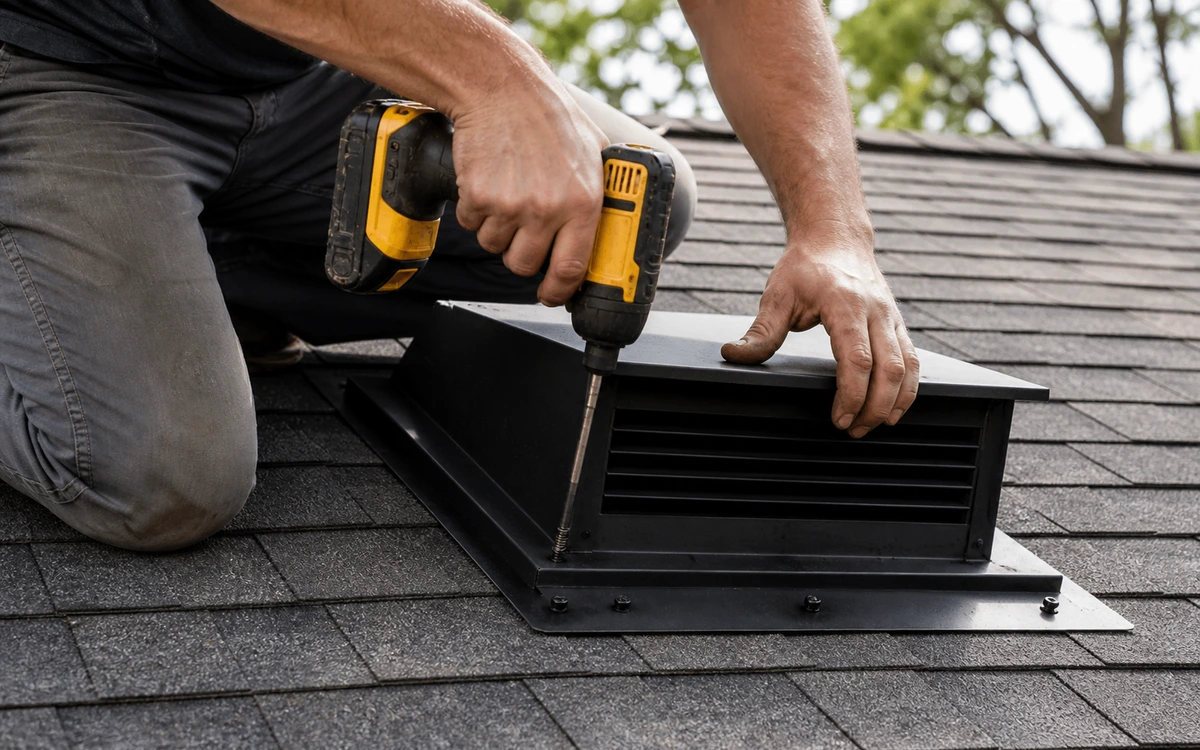
A balanced ventilation system allows excess heat and moisture to escape while maintaining healthy airflow beneath the roof. Proper ventilation protects roofing components and contributes to greater energy efficiency.

  • Prevents excessive heat buildup.
  • Supports longer-lasting roofing materials.
  • Improves indoor air circulation.
  • Enhances year-round system performance.
  • Helps maintain consistent building conditions.

Increase Long-Term Cost Savings

Energy-efficient roofing installations provide financial advantages through reduced maintenance requirements and improved operational performance. Long-lasting roofing systems deliver dependable value for many years.

  • Lower energy bills through improved efficiency.
  • Reduced maintenance expenses over time.
  • Fewer unexpected repair needs.
  • Better protection for valuable business assets.
  • Greater return on roofing investment.

Strengthen Environmental Responsibility

Modern commercial roofing systems help reduce overall energy consumption while supporting environmentally responsible building practices. Efficient roofing contributes to sustainable operations without sacrificing performance.

  • Lowers overall energy demand.
  • Supports responsible resource management.
  • Reduces unnecessary material waste.
  • Improves long-term building sustainability.
  • Encourages efficient facility operations.

Ensure Professional Installation Quality

A properly installed commercial roofing system performs more efficiently and delivers reliable protection throughout its lifespan. Careful planning and precise installation maximize energy-saving benefits while reducing future maintenance concerns.

  • Accurate installation improves overall performance.
  • Proper sealing prevents unwanted air infiltration.
  • Quality workmanship supports long-lasting durability.
  • Reliable construction minimizes future issues.
  • Well-planned systems optimize energy efficiency.
  • Professional installation increases long-term property value.

Advanced commercial roofing system installations offer an effective way to improve energy efficiency, strengthen building protection, and reduce long-term operating costs. By combining quality materials, proper insulation, efficient ventilation, and expert installation, commercial properties can enjoy dependable performance for years.

Business

Transparent Pricing Options for Smarter Security Management

Clear pricing plays a vital role in building confidence when choosing security solutions. Transparent pricing options help decision-makers understand exactly what they are paying for, what features are included, and how costs align with long-term security goals. This clarity supports smarter planning and better resource allocation.

Why Pricing Transparency Matters

Transparent pricing removes uncertainty and allows teams to make informed decisions without confusion. It creates trust and ensures every investment contributes to stronger security management.

Key benefits include:

  • Clear visibility into costs
  • Better budget planning
  • Easier feature comparison
  • Reduced risk of hidden charges
  • Improved decision-making confidence

When pricing is straightforward, businesses can focus more on improving security and less on unexpected expenses.

Better Planning with Flexible Options

Flexible pricing structures make security management more efficient. Different needs require different levels of service, and pricing transparency helps users select the most suitable option.

Important advantages include:

  • Scalable plans for growing needs
  • Easy upgrades when requirements expand
  • Cost control through customizable features
  • Greater financial flexibility
  • Efficient resource allocation

This approach ensures users only pay for the services that provide real value.

Features That Add More Value

A transparent pricing model often highlights the features included at every level. This helps users understand which tools support stronger security operations.

Common value-driven features include:

  • Real-time alerts
  • Continuous monitoring
  • Detailed reporting
  • Risk analysis tools
  • Automated notifications
  • Performance tracking
  • Security status updates

Knowing what each plan offers simplifies selection and improves confidence.

Cost Efficiency Without Compromise

Affordable pricing does not mean sacrificing quality. Transparent pricing allows businesses to identify solutions that balance performance and cost effectively.

This creates several positive outcomes:

  • Strong protection at manageable costs
  • Reduced waste on unnecessary services
  • Higher return on investment
  • Better long-term planning
  • Smarter spending decisions

A clear cost structure helps maximize value while maintaining strong security standards.

Supporting Long-Term Security Growth

Security needs evolve over time. Transparent pricing supports growth by offering predictable costs and adaptable service levels.

Long-term benefits include:

  • Easier forecasting
  • Improved budgeting accuracy
  • Stronger operational stability
  • Better scalability
  • Consistent performance monitoring

Solutions with clear pricing help maintain stability while supporting future expansion.

Choosing the Right Pricing Plan

Selecting the right plan becomes easier when pricing details are simple and accessible. Evaluating available features, flexibility, and long-term value leads to smarter choices.

When reviewing options, consider:

  • Included services
  • Pricing flexibility
  • Upgrade opportunities
  • Reporting capabilities
  • Support quality

Reliable SSL monitoring plans with transparent pricing help improve visibility, strengthen security management, and create better financial control. Clear pricing ultimately leads to smarter decisions, stronger protection, and greater confidence in long-term security strategies.

Business

Snap Action Micro Switch vs. Slow Action Switch: Which One to Choose?

Micro switch

If you think a switch is just a switch, you haven’t been paying attention to the guts of your product. The difference between a snap action micro switch and a slow action switch isn’t a technical footnote—it’s the line between a device that responds instantly and one that drags its feet. Engineers often get caught up in voltage ratings and terminal styles, but the real decision comes down to one thing: how the contacts behave when you press that actuator.

Let’s cut through the noise. A snap action micro switch uses a spring-loaded mechanism that creates a sudden, crisp transfer of contacts. You push the plunger, and at a precise point, the internal spring flips the contacts with a satisfying click. This is the “snap” everyone talks about. It’s fast, it’s decisive, and it eliminates any chance of the contacts hovering in that dangerous middle zone where arcing and wear happen.

A slow action switch, on the other hand, is a different beast. The contacts move at the same speed as the actuator. Push it slowly, and the contacts creep together. Release it slowly, and they creep apart. There’s no snap, no sudden transfer. It sounds simple, but this design has consequences. The slower the actuator movement, the longer the contacts spend in partial contact, which can lead to pitting, oxidation, and inconsistent electrical performance over time.

So which one do you choose? It depends entirely on your application’s demands.

If your product needs precision, repeatability, and a clean break from electrical noise, snap action is the clear winner. Think about a thermostat in a heating system. You need that switch to open or close at a specific temperature point, not somewhere in a vague range. The snap action mechanism ensures that once the actuator reaches the trip point, the contacts change state immediately. No hesitation. No drift. That reliability is why Unionwell snap action micro switches are the go-to choice for industries like HVAC, automotive, and home appliances.

But slow action switches aren’t obsolete. They have a place where you want to control the speed of the contact transition. For example, in some audio equipment or signal routing, a slow, deliberate make-and-break can reduce the mechanical click noise that a snap action might introduce. There’s also a cost factor—slow action switches are often simpler to manufacture, which can lower the bill of materials for high-volume, low-criticality applications.

Here’s the catch: if you’re designing for safety or longevity, don’t gamble with slow action. In safety interlocks or limit switches on industrial machinery, you need that instant disconnect. A slow action switch can fail to break the circuit fast enough, leading to sparks or even equipment damage. The snap action mechanism is inherently safer because it forces a rapid separation of contacts, extinguishing any arc before it becomes a problem.

From a marketing perspective, this is where you sell the value. Don’t just list specs. Tell your customer that a Unionwell snap action micro switch gives their product a competitive edge—faster response, longer life, and fewer field failures. It’s a component that works behind the scenes but directly impacts user trust. Nobody wants a coffee maker that hesitates or a car door lock that sticks.

One more thing: don’t overlook the tactile feedback. Snap action switches give users a positive click, which is a subtle but powerful signal that the device has registered the input. That click is a form of communication. It says, “I heard you.” Slow action switches offer no such feedback, which can lead to user frustration in applications like push-button controls or handheld devices.

Bottom line: if your application demands speed, precision, and reliability, snap action is the only real option. If you’re building a low-stakes, budget-sensitive product where noise and feedback don’t matter, slow action might work. But in a world where customers expect everything to work perfectly every time, why take the risk? Choose the switch that snaps. Choose Unionwell.

Business

Maximize Building Performance Through Innovative Commercial Roofing Upgrades

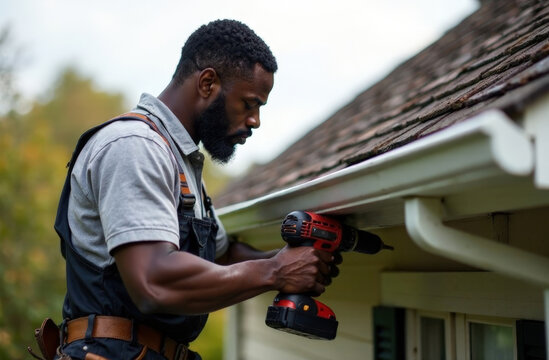
Strong commercial roofing systems play a vital role in improving overall building performance, protecting valuable assets, and supporting long-term operational success. Modern roofing upgrades offer dependable durability, better energy efficiency, and enhanced structural reliability while creating a safer and more comfortable environment. Thoughtfully selected improvements help properties remain resilient, attractive, and prepared for future demands.

Advantages Of Modern Commercial Roofing Upgrades

Innovative roofing solutions provide lasting value through advanced materials and professional installation techniques. These upgrades contribute to stronger protection while supporting efficient building operations.

Key Benefits Include

  • Improved resistance against moisture and weather exposure
  • Enhanced thermal performance for greater energy savings
  • Better indoor comfort throughout changing seasons
  • Increased structural durability and reliability
  • Reduced maintenance requirements over time
  • Longer roofing service life with dependable performance
  • Improved appearance that enhances property value

Choosing quality roofing improvements creates a solid foundation for continued operational excellence.

Essential Features That Improve Performance

Modern roofing systems include practical enhancements that strengthen overall building efficiency while supporting long-term protection.

Important Performance Features

  • High-performance insulation for temperature control
  • Effective drainage systems that reduce standing water
  • Durable protective surface layers
  • Reinforced installation methods for dependable stability
  • Improved ventilation supporting balanced airflow
  • Seamless waterproofing for dependable leak resistance
  • Materials designed for consistent long-term durability

Every carefully planned upgrade contributes to a stronger and more reliable roofing system.

Planning Successful Roofing Improvements

A well-organized upgrade strategy helps maximize results while ensuring every component performs effectively. Property owners benefit from evaluating both immediate needs and future expectations before beginning improvements. During planning discussions, valuable project details become easier to understand when professionals encourage visitors to Click Here for additional guidance regarding available roofing options and recommended solutions.

Smart Planning PrioritiesCommercial Roofing

  • Evaluate the existing roof condition thoroughly
  • Select durable materials with proven longevity
  • Focus on energy-efficient improvement opportunities
  • Schedule work to minimize operational interruptions
  • Maintain clear communication throughout every project phase
  • Verify quality standards during each installation step

Careful preparation helps every roofing investment deliver outstanding long-term value.

Long-Term Value Through Quality Roofing

Innovative commercial roofing upgrades continue delivering measurable advantages long after installation is complete. Improved structural protection supports efficient operations while helping reduce unnecessary repair costs. Enhanced roofing performance also contributes to greater occupant comfort, increased confidence, and dependable building protection throughout the years. Consistent inspections, timely maintenance, and proactive improvements preserve roofing quality while extending system life. Small preventive actions often prevent larger concerns, allowing buildings to maintain exceptional performance with greater peace of mind.

Commercial roofing improvements represent an investment in durability, efficiency, and long-term success. By combining thoughtful planning, quality materials, skilled workmanship, and ongoing maintenance, property owners create dependable roofing systems that support reliable building performance for many years. Every carefully executed upgrade strengthens protection, improves operational efficiency, enhances property value, and delivers lasting confidence through exceptional roofing performance.