Fresh Floral Inspiration Creates Memorable เค้กดอกไม้ Every Time
Every celebration becomes more meaningful when desserts combine delightful flavors with artistic beauty. Floral-inspired cake creations offer a timeless charm that captures attention while adding elegance to joyful moments. Their graceful appearance, vibrant colors, and delicate decorative details transform ordinary gatherings into unforgettable occasions filled with happiness and admiration.
Why Floral Cake Designs Remain Timeless
Flower-themed cakes continue to inspire because they blend natural beauty with creative craftsmanship. Every design can reflect a unique personality while creating a warm and welcoming atmosphere.
Popular Reasons to Choose Floral Cakes
- Elegant styles suit celebrations of every size.
- Colorful blooms create an eye-catching centerpiece.
- Delicate decorations enhance the overall presentation.
- Creative arrangements match different themes beautifully.
- Floral elements offer timeless visual appeal.
Adding thoughtful floral details allows each cake to become both a delicious dessert and a memorable decorative feature.
Creative Design Ideas for Every Celebration
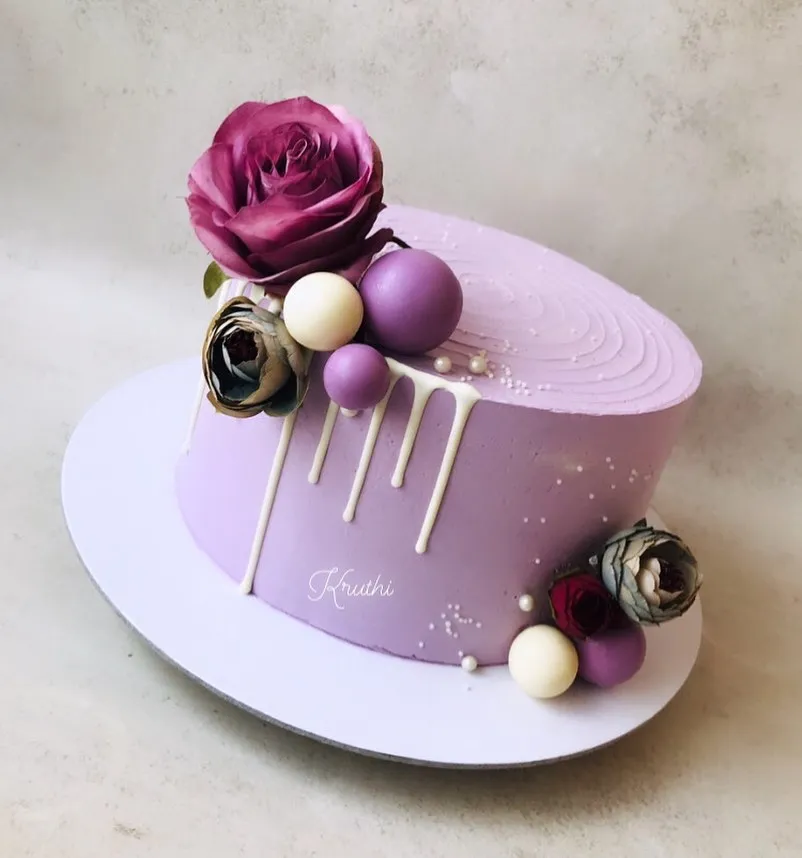
Fresh inspiration encourages endless possibilities when decorating cakes with floral patterns. Soft petals, layered blossoms, and artistic textures provide beautiful combinations that suit different preferences.
Some wonderful ideas include:
- Pastel flowers for a gentle appearance.
- Vibrant blossoms for cheerful celebrations.
- Handcrafted floral accents for artistic charm.
- Mixed seasonal colors for lively presentations.
- Elegant leaf details for natural balance.
During special occasions, many people appreciate how เค้กรูปดอกไม้ creates a graceful centerpiece that enhances joyful memories while delighting every guest with remarkable visual beauty.
Simple Ways to Enhance Floral Cake Beauty
Careful planning makes every floral cake look polished and inviting. Small decorative touches often create the greatest impact.
Helpful Decorating Tips
- Choose harmonious color combinations.
- Balance flowers with clean finishing details.
- Add gentle textures for extra depth.
- Keep decorations neat and well-proportioned.
- Use layered arrangements for elegant dimension.
- Maintain a fresh and vibrant overall appearance.
These thoughtful choices help every cake appear sophisticated while maintaining a welcoming and cheerful style.
Benefits of Floral-Themed Cakes
Flower-inspired cakes offer more than attractive decoration. They create lasting impressions and encourage guests to appreciate both creativity and presentation.
Some wonderful benefits include:
- Beautiful designs elevate celebrations.
- Artistic decorations encourage memorable photographs.
- Elegant presentations complement various event themes.
- Colorful arrangements create joyful atmospheres.
- Unique details reflect thoughtful planning.
- Attractive cakes become meaningful conversation pieces.
Every carefully designed floral cake adds warmth, beauty, and excitement to the celebration while making every gathering feel extra special.
Conclusion
Floral cake designs continue to inspire memorable celebrations through their graceful appearance, artistic creativity, and timeless elegance. Their beautiful arrangements, balanced colors, and thoughtful decorative details transform every dessert into a remarkable centerpiece. With imaginative floral inspiration, every cake becomes a symbol of happiness, creativity, and shared moments, leaving guests with lasting memories that make each celebration feel truly unforgettable.





 You don’t need a bigger apartment. You need smarter geometry.