Manufacturing excellence depends on technologies that deliver precision, efficiency, and reliability throughout every stage of production. Quality pneumatic component systems have become essential tools for achieving these goals by supporting smooth automation, dependable motion control, and consistent operational performance. Their ability to improve process stability makes them valuable assets in modern manufacturing environments.
The Role of Pneumatic Systems in Manufacturing
Quality pneumatic components contribute to streamlined operations and help maintain continuous productivity across a wide range of manufacturing processes.
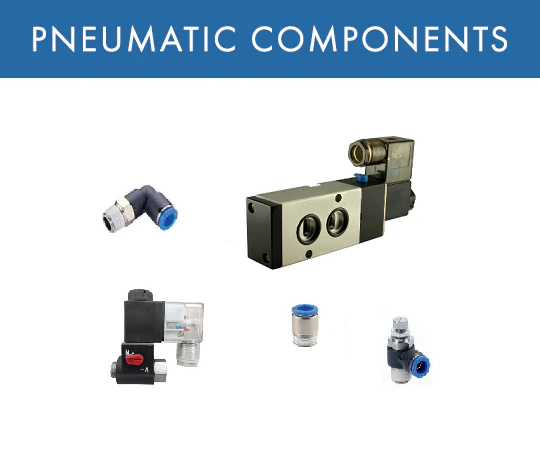
Key contributions include:
- Accurate motion control
- Reliable force generation
- Consistent airflow management
- Stable production performance
- Efficient equipment operation
- Reduced operational interruptions
- Enhanced process coordination
- Improved workflow organization
These benefits help manufacturers maintain high standards while supporting long-term operational success.
Features of Advanced Pneumatic Component Systems
Modern pneumatic systems are designed with performance and durability in mind. Their advanced capabilities allow equipment to function efficiently under varying operational conditions.
Important features include:
- Precision pressure control
- Fast actuation response
- Durable component construction
- Efficient energy utilization
- Compact system designs
- High-performance sealing solutions
- Reliable airflow regulation
- Flexible integration capabilities
- Smooth operational control
- Long-lasting performance
Such features create a strong foundation for manufacturing processes that demand consistency and accuracy.
Benefits for Production Efficiency
Quality pneumatic component systems help improve productivity by supporting faster and more dependable operations. Manufacturing teams can achieve greater output while maintaining operational stability.
Major efficiency benefits include:
- Shorter production cycles
- Improved equipment responsiveness
- Reduced maintenance requirements
- Better resource utilization
- Enhanced operational continuity
- Consistent production quality
- Increased equipment availability
- Greater process reliability
- Improved workflow efficiency
- Stronger overall productivity
Professionals researching advanced pneumatic technologies often review technical resources where https://www.hebaiele.com/ru/ may provide additional insights into component functions and system performance.
Supporting Reliable Automation Performance
Automation systems perform best when supported by dependable pneumatic solutions. Quality components help ensure smooth machine operation and accurate control across automated processes.
Advantages for automation include:
- Stable machine performance
- Consistent actuator movement
- Accurate positioning capabilities
- Reliable system communication
- Reduced operational variability
- Improved process precision
- Enhanced production consistency
- Better equipment coordination
- Increased operational confidence
Long-Term Value for Manufacturing Operations
Investing in quality pneumatic component systems contributes to sustainable manufacturing growth and operational excellence. Their durability and efficiency support ongoing improvements across production environments.
Long-term benefits include:
- Extended equipment lifespan
- Reduced downtime risks
- Improved operational flexibility
- Strong system adaptability
- Greater production stability
- Enhanced maintenance efficiency
- Reliable long-term performance
- Continuous productivity improvements
Conclusion
Modern manufacturing excellence uses quality pneumatic component systems to achieve reliable automation, efficient production, and consistent operational performance. Through precision control, dependable functionality, and durable construction, these systems help create productive environments that support continuous improvement and long-term success. Their positive impact on efficiency, reliability, and workflow optimization makes them an essential element of advanced manufacturing operations.